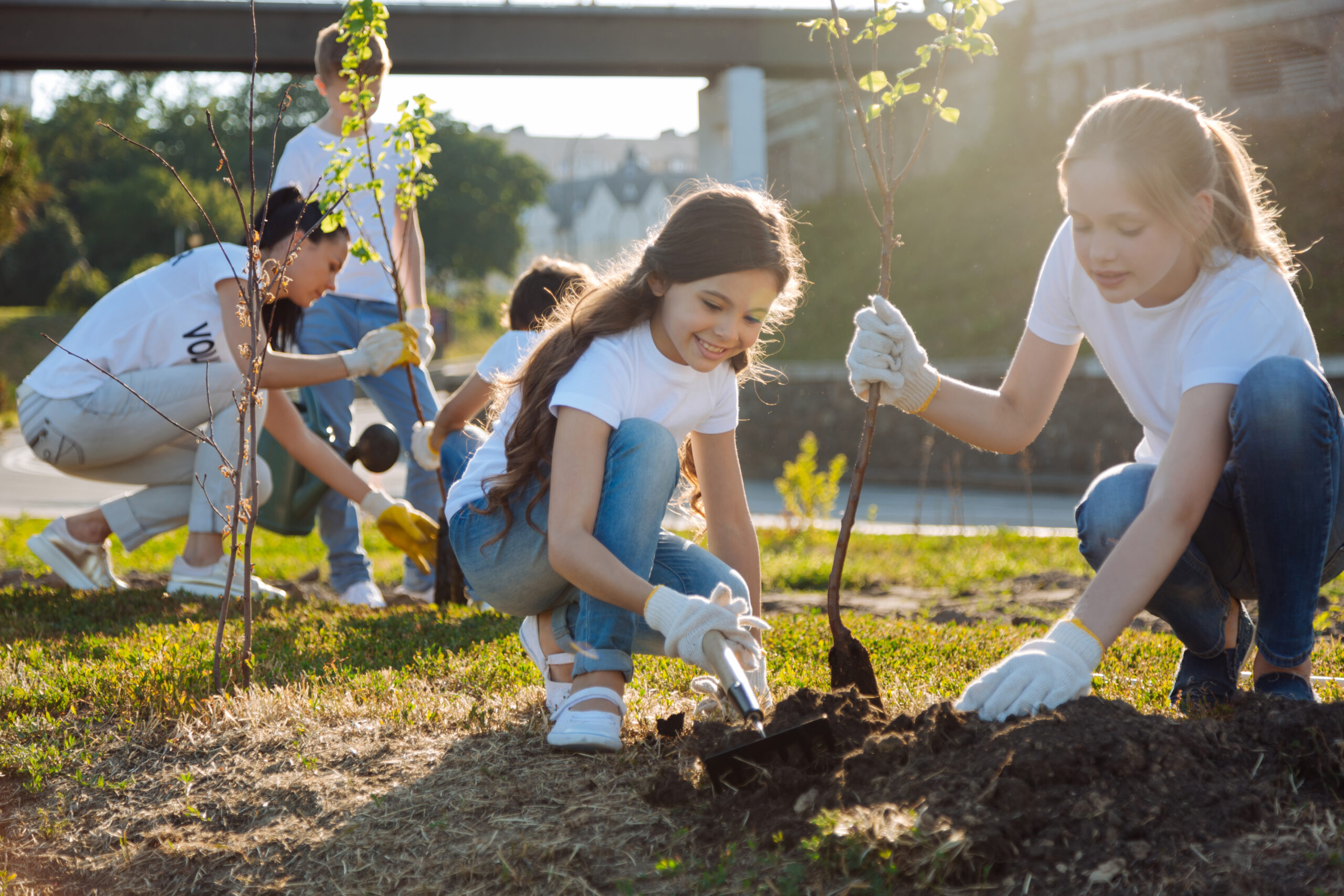
Real community development goes far beyond constructing buildings—it’s about creating opportunities that improve quality of life for residents and neighborhoods. True development focuses on people, their access to resources, and the strategies that help them thrive. Community development and economic development are linked through shared goals of progress, inclusion, and revitalization for both urban and rural communities. When done right, community development programs empower individuals, strengthen families, and build stronger communities that serve long-term goals rather than short-term structures.
Understanding the Meaning of Community Development
Community development is the process of helping communities—urban, rural, and suburban—grow in ways that improve their social, economic, and environmental conditions. It blends practice, theory, and research to create lasting social impact. Community development is not just about policies or physical projects; it’s about residents, organizations, and leaders collaborating to enhance their shared environments.
Community development teams work on programs that address issues like affordable housing, small business support, workforce training, and neighborhood revitalization. Each activity is designed to make communities more resilient and self-sufficient. The goal is to build environments where individuals can live, work, and continue to learn within safe, thriving communities.
True development starts by understanding local needs and engaging residents directly. This leads to solutions that make people active participants in shaping their future. As we explore how community development relates to broader economic growth, it becomes clear that people-centered strategies build stronger foundations than concrete ever could.
The Connection Between Community Development and Economic Growth
Community and economic development are closely intertwined. A healthy community fosters local businesses, job opportunities, and improved living standards. Similarly, strong economies allow more resources to be reinvested in neighborhoods, schools, and infrastructure. This relationship forms the backbone of community economic development (CED)—an approach that integrates social and economic goals.
CED strategies emphasize participation from residents, local governments, and nonprofit partners. Together, they create opportunities that lead to more equitable progress. By supporting community development programs, stakeholders bring life to underdeveloped regions and help close economic gaps between urban and rural communities.
Economic development is no longer limited to industrial growth; it’s about inclusive policies that empower individuals. Through education, environmental awareness, and political collaboration, communities achieve sustainable progress. The next section explores how community development programs create measurable change for families, organizations, and entire regions.
What Real Community Development Programs Look Like
Real community development programs address more than physical revitalization—they work to improve lives and bring balance to the social and economic structure of neighborhoods. These programs provide training, access to financing, and opportunities that help residents and small businesses flourish.
Empowering Neighborhoods Through Education and Skill Building
Education and training are central to building stronger communities. Programs that teach job skills, digital literacy, and leadership development help individuals become active contributors. A well-trained community development team plays a key role in this process, implementing programs that create lifelong impact.
Affordable Housing, Small Business Support & Workforce Training
Affordable housing initiatives ensure that families can live near their workplaces and schools. Meanwhile, small business grants and workforce training programs create jobs and support economic independence. Each effort brings new life to communities and provides sustainable solutions to long-standing social issues.
How Programs Like New Alpha CDC Are Redefining Community Impact
Organizations like New Alpha CDC demonstrate how real-world programs create social change. By combining resources, research, and funding, they implement projects that transform neighborhoods. Their efforts show that community development depends on ongoing collaboration among partners, residents, and departments. The next section looks at how academic studies and journals support these efforts with theory and data.
Lessons from the Community Development Journal and Real-World Case Studies
The Community Development Journal, published by Oxford University Press, plays a key role in advancing research and understanding in this field. It serves as a bridge between theory and practice, helping leaders and policymakers design better programs based on proven results.
Academic insights often highlight the social and economic implications of development work. From case studies of rural revitalization to urban housing projects, the journal’s research provides frameworks that community development teams can adopt in various contexts.
Learning from these reviews and models helps organizations improve implementation strategies. It also helps activists, government departments, and partners coordinate their activities for broader impact. As these insights translate into real-world programs, the collaboration between research and practice continues to guide the direction of community development in America.
Next, we’ll explore how partnerships strengthen these programs and ensure their sustainability over time.
The Role of Partnerships in Sustaining Community Economic Development
Sustainable community economic development depends on cooperation among local governments, organizations, and residents. Partnerships make it possible to address complex issues that no single entity can solve alone. Effective collaboration ensures that financial resources, staff expertise, and social programs reach those who need them most.
Partnerships between nonprofits, policymakers, and businesses encourage innovation in financing and program delivery. For example, joint initiatives can promote affordable housing, small business growth, and environmental sustainability. By working together, these partners make sure development serves the people rather than just the market.
Transparency and accountability are equally essential. When data is shared openly, it builds trust among residents and motivates continued participation. These partnerships not only support community development but also make economic growth more inclusive and long-lasting. The next section will discuss how communication tools—especially email alerts—help maintain these relationships and keep communities engaged.
Staying Connected: Why Email Alerts and Public Participation Matter
Communication keeps development efforts alive. Email alerts, newsletters, and public forums allow residents to stay informed about new initiatives, available programs, and job opportunities. When individuals participate through feedback and regular updates, they become more invested in local change.
Email alerts also make it easier for people to access resources, learn about training sessions, and review upcoming projects. This direct communication builds a bridge between the community development team and the people they serve. It transforms passive awareness into active engagement.
Ongoing participation ensures that community voices guide decision-making. When residents know how to participate and what programs exist, projects are more likely to succeed. This shared effort between leaders and residents leads us toward redefining what progress truly means for communities.
Redefining What Progress Really Means for Communities
Progress is not just measured by new construction or rising property values. Real community development is about equity, inclusion, and empowerment. It values social connections, environmental responsibility, and opportunities for everyone—regardless of their background or zip code.
Measuring success goes beyond economics; it involves tracking how residents’ lives improve. When families feel safer, when children access better education, and when small businesses thrive, that’s when development fulfills its purpose. A thriving community means every individual can live, work, and participate in shaping a better future.
Understanding this holistic approach helps policymakers, organizations, and residents collaborate effectively. The next section summarizes how people-centered development continues to redefine America’s local and regional landscapes.
Conclusion: Building Communities That Build People
Community development is about more than constructing new buildings—it’s about building stronger people, families, and neighborhoods. It connects economic opportunity with social support and environmental awareness. Through education, partnerships, and inclusive programs, organizations like New Alpha CDC continue to shape the future of community development in America.
By focusing on equity and empowerment, community leaders and residents together create thriving communities that last generations. Real progress happens when every individual has the opportunity to live, learn, and lead within their community.