The concept of environomics—the study of how the environment and the economy affect each other—reveals how deeply our day-to-day life depends on natural systems. From your morning coffee to the mobile phone in your hand, every product and service is tied to environmental and economic cycles. This article provides a very readable account of exploring industries, how the global green revolution sweeps across industries, changing how we live, work, and think. As the green economy evolves within the global economy, it’s clear that even the smallest details in our routines reflect the state of our planet.
Understanding Environomics — The Link Between Economy and Environment
Environomics explains how economics affects every aspect of our environment—and how the environment, in turn, shapes our financial and social choices. Whether it’s energy, food, fashion, technology, or manufacturing, each sector relies on natural resources to sustain growth.
From rare earth metals used in electronics to palm oil found in our toothpaste, environomics helps us examine palm oil and understand the hidden environmental costs behind convenience. It encourages us to question wasteful overconsumption and corporate greenwashing, which often disguise the true ecological price of consumerism.
At its heart, environomics teaches that every purchase, product, and policy forms part of a bigger story—a global balance between sustainability and economic growth. Understanding this connection sets the stage for the next section: how corporate greenwashing to global green revolution sweeps across communities and reshapes the future.
The Global Green Revolution Sweeps Across Communities
The global green revolution is not just about renewable energy—it’s a transformation in how we view food fashion technology manufacturing, economics, environment, and equity. Across American cities, small businesses and nonprofits are proving that even the smallest details of everyday life can drive meaningful change.
Community-driven initiatives—like cleaner light bulbs, wind turbines, and renewable energy systems—are helping local economies reduce carbon emissions while creating jobs. The energy sector, food systems, and fashion industry are learning to balance profit with planet, showing that sustainability makes economic sense.
This green revolution sweeps across all industries:
- Food & Agriculture: Farmers adopt sustainable sourcing and reduce reliance on palm oil.
- Manufacturing: Cleaner production lines reduce waste and water use.
- Fashion & Retail: The average clothes buyer now questions fast fashion’s toll on the planet.
- Technology: Companies explore using rare earth metals responsibly to limit damage from mining.
From New York’s green rooftops to California’s solar startups, these movements mark progress—but they also reveal crucial issues like corporate greenwashing and global flashpoints over resources.
As we examine these patterns, the next section explores how the green economy and global economy are becoming inseparable.
The Rise of the Green Economy in the Global Economy
The green economy focuses on growth that improves human well-being while reducing environmental risks. As part of the global economy, it links sustainability with financial stability—proving that protecting nature makes economic sense.
Today, the green economy includes renewable energy, technology manufacturing and finance, and even tv and film industry efforts to cut emissions during production. For instance, studios now measure carbon emissions on set, while the film industry invests in cleaner light bulbs and digital sets to lower waste.
Governments and organizations such as New Alpha CDC encourage everyday contributions from citizens—turning small acts like recycling or using public transport into catalysts for massive impact.
Still, the economics affects this transformation: trade wars, payment systems, and next-day deliveries all strain environmental resources. Yet, the shift toward sustainability and corporate greenwashing awareness shows that the green transition is now embedded in the global economy.
As economic systems evolve, environomics appears not as theory but as daily practice—as shown in the next section, where we explore its presence in our routines.
Environomics at Work — Everyday Examples That Shape Our Lives
If you’ve ever wondered what green issues mean for your average day, environomics provides the answer. It influences how you eat, move, shop, and communicate.
How Urban Design and Transportation Influence Environmental Well-Being
Cities are rethinking roads and buildings to reduce pollution and improve access to clean spaces. Hybrid buses that really power a bus on renewable energy systems show how small tech changes can make huge differences.
The Economic Value of Clean Air, Water, and Public Spaces
Every tree planted reduces healthcare costs by improving air quality. This balance between cost and care shows how economics affects local budgets and makes economic sense for communities.
Sustainable Living Practices that Strengthen Local Economies
Simple shifts—like using cleaner light bulbs, reducing waste, and supporting local markets—are small but vital steps toward a greener game.
From morning coffee sourced through ethical trade to sustainable energy, food, fashion, and technology, these choices drive huge changes in demand and supply.
In the next section, we see how education, awareness, and public engagement ensure environomics reaches everyone—from schools to the Kindle Edition readers learning about it online.
Education, Awareness, and the New Wave of Green Thinking
Education is the foundation of environomic progress. Schools and universities now teach how economics affects every aspect of climate and society. Environmental literacy programs explain how our own mess impacts ecosystems—and how we can clean it up through knowledge.
How Schools and Organizations Promote Environmental Literacy
Teachers use examples from the energy sector, food industry, and construction to show how sustainability makes economic sense. The goal is to raise environmentally conscious leaders.
The Role of Nonprofits Like New Alpha CDC in Building Greener Communities
Organizations like New Alpha CDC support community gardens, housing initiatives, and urban revitalization projects that reduce environmental harm while improving financial independence.
Spreading Environomics through Media, Policy, and the Kindle Edition Era
The broadcaster Dharshini David follows a similar philosophy in her eye-opening book on how the economy shapes the planet—a Kindle Edition favorite that connects greenwashing to global flashpoints. This shows how digital platforms expand further reading opportunities for everyone.
As awareness spreads, more people are ready to act—leading to our next focus: how communities collaborate to create a lasting environmental legacy.
Building the Future — Community Action and Green Partnerships
Community-led green changes are essential for real progress. Neighborhoods across America collaborate to make sustainability both achievable and profitable.
How Collaboration Creates Long-Term Environmental Impact
Partnerships between local governments, nonprofits, and businesses amplify environomic goals. Shared projects in technology manufacturing and finance enable investment in renewable energy systems that reach commercial status.
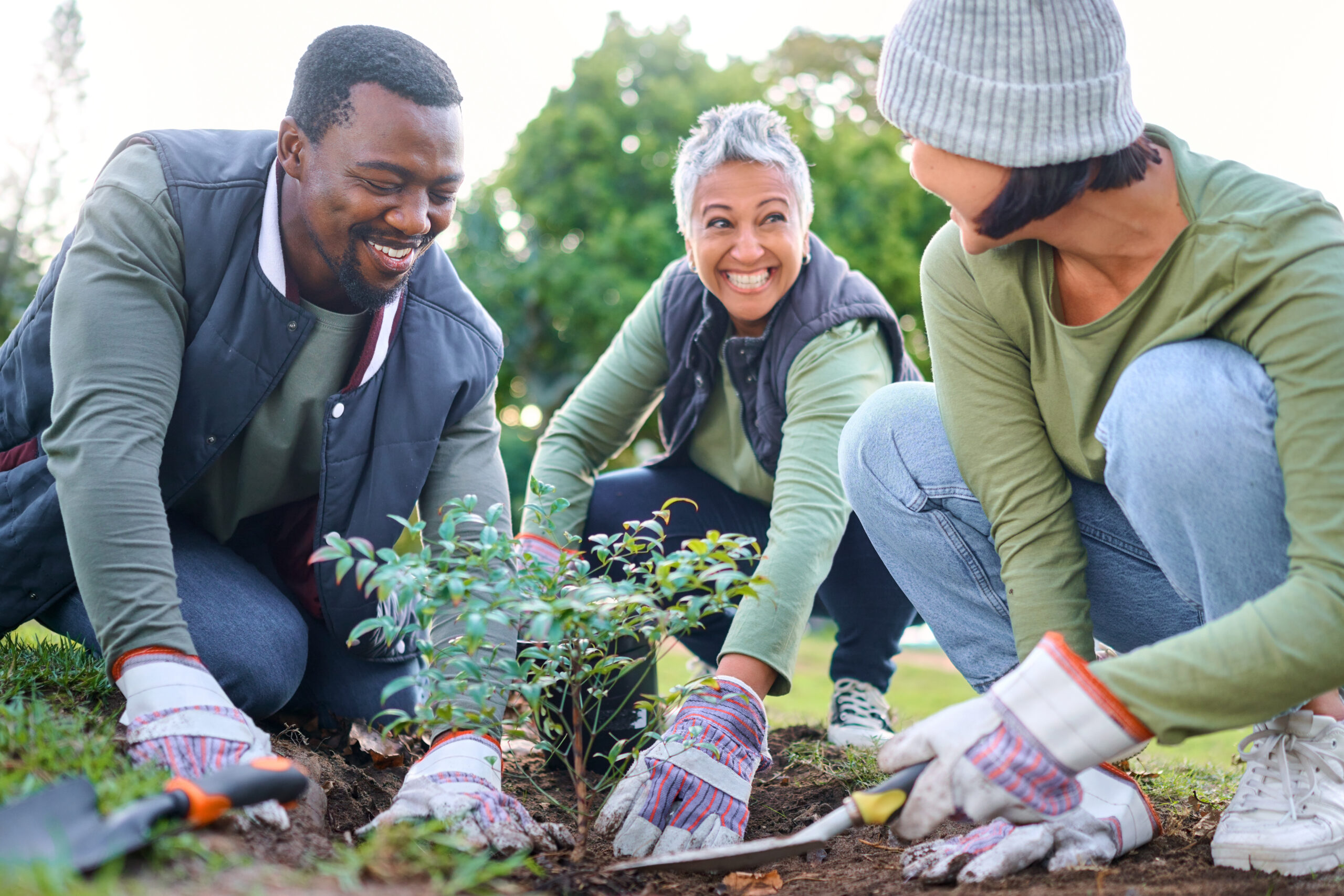
Supporting Local Green Initiatives and Volunteer Programs
Programs promoting recycling, public transport, and green housing create jobs while reducing carbon emissions. These everyday contributions make cities cleaner, safer, and more resilient.
How Environomic Policies Can Empower Low-Income Neighborhoods
By focusing on needed blend of policy, funding, and education, communities ensure that sustainability isn’t just for the wealthy—it benefits everyone.
These partnerships prepare the path for the next era of environomics—where the green economy meets innovation and technology.
Environomics Beyond 2025 — What Lies Ahead
As we move forward, global green revolution sweeps through industries faster than ever. The energy sector is adopting wind turbines, solar farms, and storage systems that finally reach commercial status.
Meanwhile, innovators in technology manufacturing and finance are integrating sustainability into mobile phone, payment systems, and next-day deliveries, reducing waste and emissions.
This forward momentum shows that making progress isn’t about perfection—it’s about participation. Each of us plays a role in reducing our own mess and shaping a balanced global economy where environomics thrives.
Conclusion — The Environomic Blueprint for a Better Tomorrow
Environomics helps us see that every decision—from your morning coffee to corporate investment—affects our shared planet. It’s a reminder that sustainability is not an abstract idea but a lifestyle shaped by knowledge, action, and accountability.
Organizations like economist and broadcaster dharshini, New Alpha CDC continue to lead by example, proving that community-driven green initiatives can create both economic resilience and environmental health. As the global green revolution sweeps forward, the call is clear: each of us can build a greener, fairer, and more sustainable future.